
Grief & Loss Therapy in Colorado
Compassionate Support for Life’s Many Losses
Have you lost someone—or something—you love, and need a safe, non-judgmental space to process your pain?
Maybe friends or family are worried that you're not "over it" yet. (Maybe you worry about that too.)
Grief can follow a death—but it can also show up after the loss of a relationship, a job, a belief system, or a version of yourself.
Whatever your loss, I'll hold space for your grief and every emotion that comes with it.
We live in a grief-avoidant culture that pushes us to move on. Here, you can pause.
You won't hear platitudes or quick fixes. I'll meet you right where you are and help you take care of yourself at your own pace.

Grief & Loss Therapy in Colorado
At Journey Steps Counseling, I offer grief and loss therapy for adults in Colorado, including telehealth counseling for those who prefer support from the comfort of home. Whether your loss is recent or long carried, expected or sudden, you are welcome here.
I hold a Certificate in Professional Grief Care through psychotherapist and grief advocate Megan Devine, author of It's OK That You're Not OK.
A Message From Nina About Grief
"Pain and joy can comfortably sit alongside one another; it is only the world that tells us we must 'get over the pain' to feel happiness."
— Zoe Clark-Coates
Nina feels like an old friend who makes you feel seen, heard, and cared for. Her ability to sit with clients' grief and provide a warm and inviting space to share is one of her many qualities that shine through her work as a therapist.
Types of Grief and Loss I Commonly Support
Grief takes many forms, and not all loss is visible or widely recognized. In my work, I often support clients experiencing:
Death of a loved one (expected or sudden, including suicide)
Divorce and relationship loss
Family estrangement or loss of friendships
Anticipatory grief
Pet loss
Loss of community following a faith transition
Loss of identity or sense of self
Loss of purpose related to retirement or unemployment
All forms of grief are valid. No loss is “too small” to bring into the therapy space.
If your grief is intertwined with change, uncertainty, or redefining your sense of self, you may want to explore Life Transitions Therapy alongside grief support.
Learn more about therapy for life transitions and how support can be tailored to your experiences.
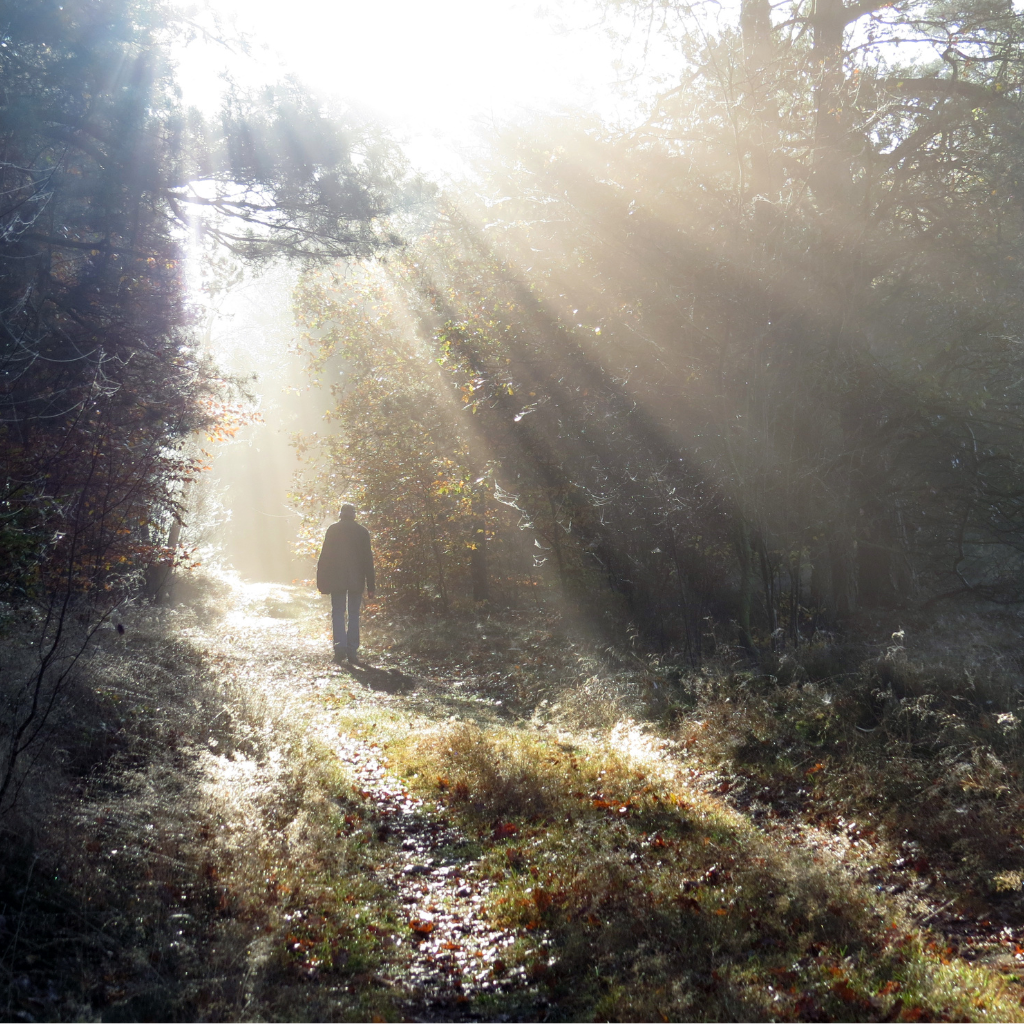
Grief Is More Than Sadness
Many people are surprised by what grief actually feels like.
Beyond sadness, grief may include:
Regret or guilt
Anxiety or fear
Anger at a loved one who has died
Anger at yourself, others, or even God
Relief mixed with sorrow
Fear of forgetting the person or life you’ve lost
These reactions are not signs that something is wrong with you. They are part of being human in the presence of loss.
Common Myths That Make Grief Harder
Much of the pain around grief comes not from the loss itself, but from the pressure placed on grieving people.
Some of the most harmful misconceptions I see include:
Believing grief must follow the “five stages”
Feeling stuck because your grief doesn’t look like others’
Thinking you should be “over it by now”
Being told to focus on joy or gratitude too quickly
Hearing spiritual bypassing messages like “they’re in a better place”
Assuming non-death losses shouldn’t hurt as deeply
Believing an expected death should be easier to grieve
Grief does not follow timelines. There is no finish line.

How Therapy Helps When You’re Carrying What Can’t Be Fixed
I don’t view grief as something that needs to be resolved or cured.
Instead, I draw from the idea of “carrying what can’t be fixed”, a phrase coined by grief advocate Megan Devine. Therapy offers a place where grief does not need to make sense, be tidy, or move toward acceptance on command.
In grief and loss therapy, you’ll find:
A safe, non-judgmental space to speak honestly
Validation of all emotions, without minimizing
Freedom from timelines or expectations
Language that honors “moving forward” rather than “moving on”
Room for grief that grows and changes as life grows around it
You don’t have to explain or justify your grief here.
What Healing Often Looks Like in Grief Work
Grief doesn’t disappear, but many people experience meaningful shifts through this work, including:
Relief in no longer feeling “crazy” or broken
Greater self-compassion
A deeper understanding that grief is an extension of love
Integration of loss into life, rather than being overtaken by it
Feeling more grounded and present
Carrying grief with less isolation and shame
Healing doesn’t mean forgetting. It means learning how to live while carrying what matters.
Begin Your Healing Journey Where You Are
You don’t need to know what you’re feeling or where you’re headed. You only need a place where your grief is allowed to exist.
Let's Connect
Reach out for a free 15-minute online consultation
No telemarketing or solicitation messages, please.
Phone
Telehealth Therapy Services
Statewide Colorado
Business Hours
Tuesday – Saturday:
9:00 AM – 5:00 PM
My weekend is Sunday/Monday;
messages received after 5:00 PM Saturday will be returned on Tuesday.
All communication is HIPAA-compliant and secure.
If you choose email, please check your spam folder as the first message sometimes lands there.
No Solicitation Messages.
I respond personally within 24 hours on business days.
Compassionate LGBTQIA+ affirming therapy in Denver, online across Colorado.
Service Areas
Get in Touch
Tuesday – Saturday
9:00 AM – 5:00 PM
Messages received after 5 PM Saturday will be returned on Tuesday.

Come as You Are — An Inclusive, Affirming Space
I am committed to creating an inclusive, welcoming space for all. I do not and shall not discriminate on the basis of race, color, religion (creed), gender, gender expression, age, national origin (ancestry), disability, marital status, sexual orientation, or military status in any of my activities, services, or operations. Everyone deserves to feel safe, heard, and valued.
© 2025 Journey Steps Counseling. All rights reserved. Powered by Therapy Growth Solutions
Nina Carter Cohen, MA, LPC | Licensed in Colorado